
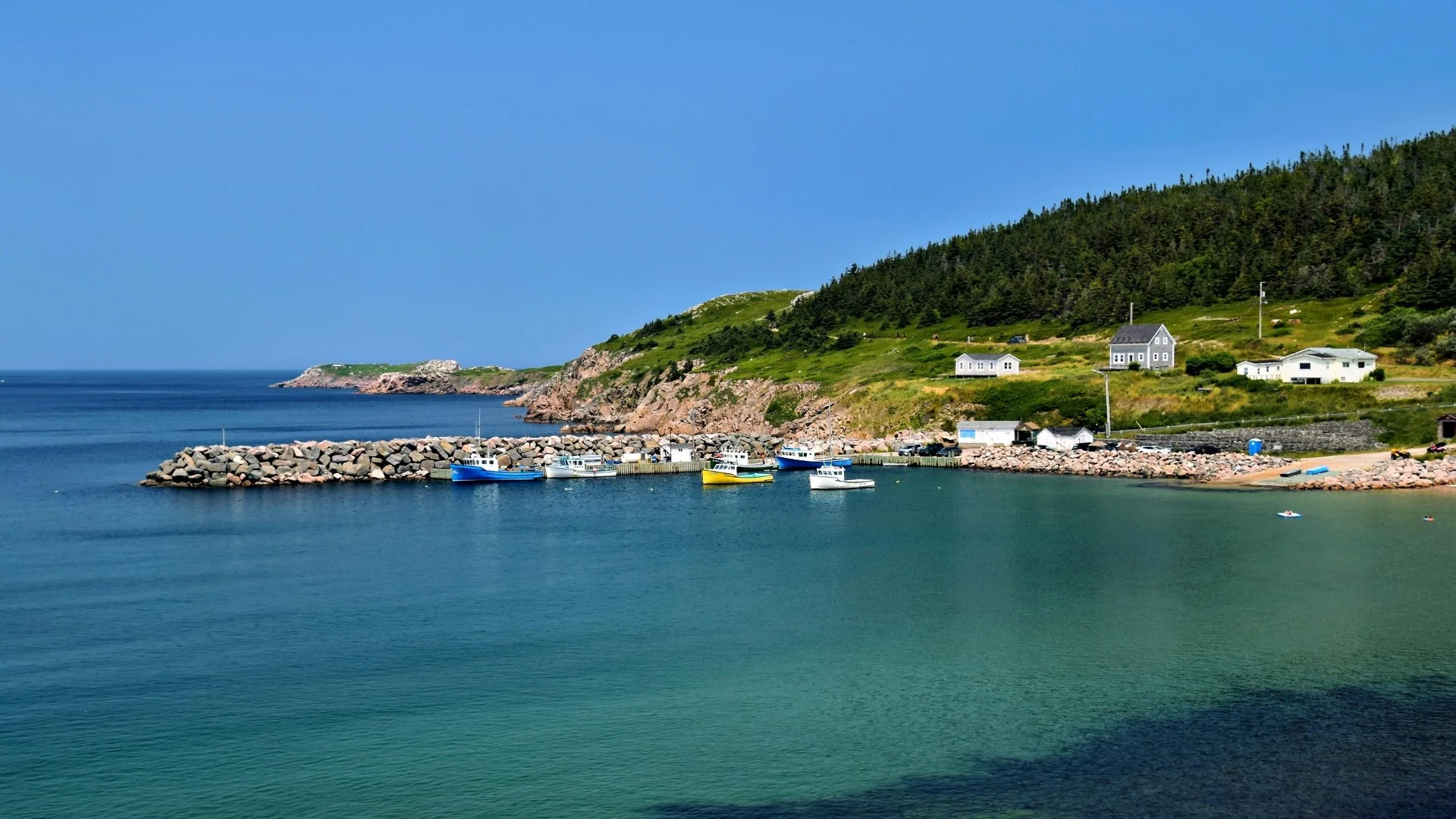
Take Action
Offshore Wind Call for Information (NS25-1R)
Submission deadline: January 13, 2026
The Call for Information is an early-stage engagement process. Input provided now helps inform how offshore wind development may proceed and what conditions, safeguards, and expectations should be in place.
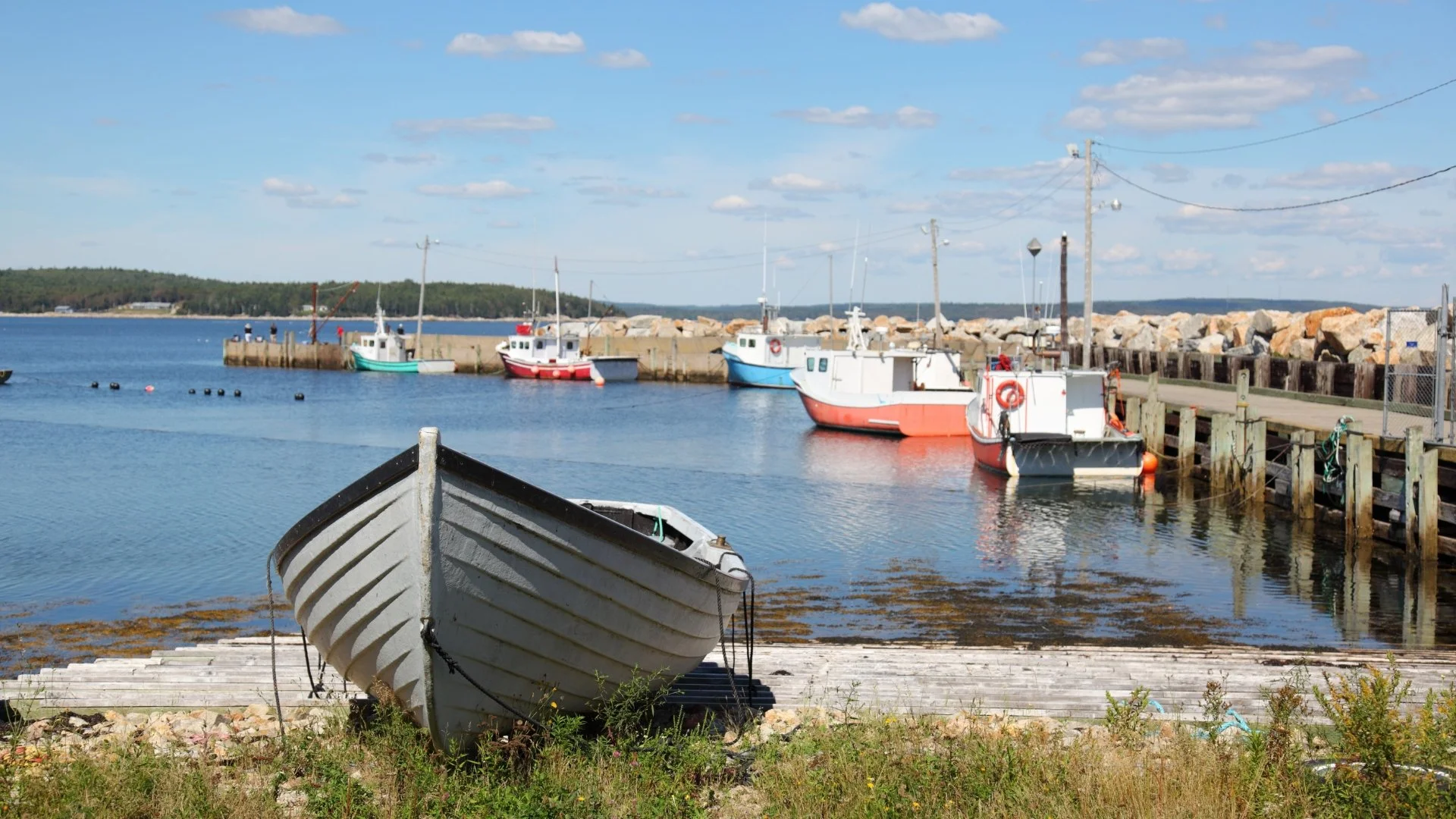
Who should submit feedback
You are encouraged to participate if you are:
A commercial fisher or seafood harvester
A member of an Indigenous community with relationships to the affected marine areas
A seafood worker, processor, or supply chain operator
A marine transportation or service provider
A coastal resident or community representative
Anyone with practical knowledge of the areas under consideration
What to include in your submission
Strong submissions are specific and grounded in experience. Consider including:
Where and when fishing, harvesting, or marine activity occurs
Seasonal patterns and weather-related constraints
Navigation routes, transit corridors, and safety considerations
Gear types, vessel sizes, and operational limits
Indigenous and traditional stewardship relationships with the marine environment
Potential economic, safety, or access impacts
What coexistence would need to look like in practical terms
What fair compensation would need to cover if impacts occur
Plain language is appropriate. Technical language is not required.
What the regulator is seeking input on
The regulator is inviting feedback on topics that include:
Offshore wind energy area planning
Potential parcel configuration
Evaluation considerations for future licensing
Conditions that may apply to submerged land licences
Coexistence with fisheries and other ocean users
Approaches to addressing disruption or displacement, including compensation
You do not need to answer every question. Relevant, place-based input is valuable.
Why This Matters
Eastern Canada’s fisheries are a cornerstone of regional livelihoods and global food security. Offshore development planning must account for:
Sustainable seafood harvesting
Indigenous rights and traditional stewardship relationships with the ocean
Safe and efficient marine navigation
Coastal economies and working waterfronts
Long-term ocean health
Responsible coexistence requires transparency, practical planning, and accountability.
What You Can Do
1
Learn what is being asked
Understand the scope of the Call for Information.
2
Share your perspective
Provide clear, factual input based on your experience.
3
Submit your feedback
Use the official form before Jan 13, 2026. Take Action